
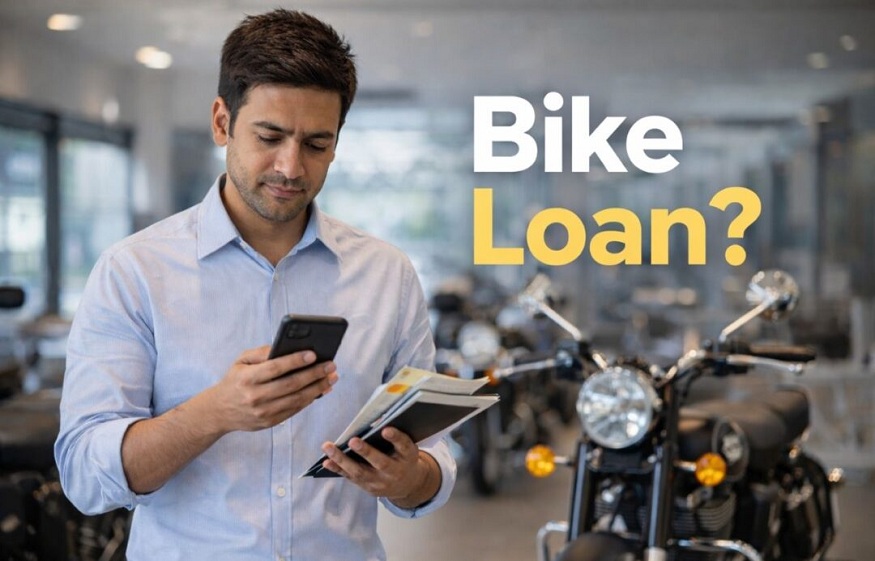
Buying a new vehicle is an exciting milestone that offers a sense of freedom and mobility. Whether you are eyeing a practical sedan for your daily commute or a sleek bike for weekend adventures, the financing process involves more than just picking a monthly payment. Most buyers focus on the interest rate, but the underlying insurance requirements can significantly impact your total cost of ownership.
When you take out a loan, the vehicle serves as collateral for the debt. This means the lender holds a financial interest in the asset until you make the final payment. To protect this interest, lenders require specific types of insurance coverage that go beyond the basic liability limits mandated by state law. Understanding the nuances between these requirements is essential for any borrower.
The Role of Collateral in Secured Lending
A car loan and a motorcycle loan are both forms of secured debt. Because the lender uses the vehicle to back the loan, they want to ensure that the asset remains in good condition or can be replaced if it is destroyed. If you own a vehicle outright, you can choose to carry only the minimum legal insurance. However, when you owe money to a bank, that choice is taken away from you.
Lenders require you to list them as the lienholder on your insurance policy. This ensures that if a total loss occurs, the insurance company pays the lender first. This arrangement protects the bank from losing money if the collateral is wiped out in an accident or stolen. It also means you must maintain continuous coverage without any lapses, or the lender might purchase expensive forced-place insurance on your behalf.
Standard Insurance Requirements for a Car Loan
For a typical car loan, lenders almost always insist on a combination of collision and comprehensive coverage. Collision insurance pays for damage to your car resulting from a crash with another vehicle or an object. Comprehensive insurance covers non-collision events such as theft, vandalism, fire, or natural disasters. These two types of coverage ensure that the car can be repaired or replaced regardless of how the damage occurred.
In addition to these, many lenders set limits on your deductible. A deductible is the amount you pay out of pocket before the insurance kicks in. If your car loan agreement specifies a maximum deductible of five hundred dollars, you cannot opt for a higher one to lower your monthly premium. The lender wants to be certain that you can afford to start the repair process immediately if an accident happens.
Unique Insurance Factors for a Motorcycle Loan
While the basic principles remain similar, a motorcycle loan often comes with different insurance expectations. Motorcycles are generally viewed as higher risk assets by both lenders and insurance providers. They are more susceptible to total loss in relatively minor accidents compared to cars. Because of this, the cost of full coverage for a bike can be high relative to its purchase price.
Read More: How Verifen Empowers Business Growth Through Strategic Support, Marketing, and Efficiency Tools
Some lenders might also require specific riders for a motorcycle loan that you would not see with a car. This might include coverage for custom parts, riding gear, or guest passenger liability. Since motorcycles are frequently customized, lenders want to ensure that the added value of those parts is protected. Furthermore, because bikes are easier to steal, comprehensive coverage is a non-negotiable requirement that often carries a higher premium than it would for a standard automobile.
The Importance of Gap Insurance for Both Loans
One major similarity between a car loan and a motorcycle loan is the risk of being underwater on your debt. This situation occurs when you owe more on the loan than the vehicle is actually worth. New vehicles of all types lose a significant portion of their value the moment they are driven or ridden off the dealership lot. If your vehicle is totaled early in the loan term, a standard insurance payout might not cover your full loan balance.
Gap insurance is designed to bridge this financial hole. It pays the difference between the actual cash value of the vehicle and the amount you still owe the lender. Many lenders highly recommend or even require gap insurance for borrowers who make small down payments. Without it, you could find yourself making monthly payments on a vehicle that no longer exists.
How Usage and Storage Affect Your Policy
How you plan to use your vehicle also plays a role in your insurance needs. If you have a car loan, the provider expects a policy that reflects your annual mileage and primary use. For a motorcycle, many riders only use their bikes during warmer months. While it might be tempting to drop your coverage during the winter to save money, your lender will likely forbid this practice.
Lenders require year round coverage to ensure the asset is protected against theft or garage fires even when it is not on the road. Some insurance companies offer lay up policies that reduce premiums during the off season while keeping the comprehensive coverage active. However, you must always verify that such a policy meets the specific requirements outlined in your motorcycle loan agreement to avoid a breach of contract.
Comparing Deductibles and Coverage Limits
Lenders for both types of vehicles will usually dictate the minimum coverage limits you must carry. While state laws might only require a small amount of liability coverage, a car loan agreement often demands much higher limits. This is because higher limits provide a better buffer against legal issues that could jeopardize your ability to pay back the loan.
Read More: How Can You Prepare Financially for Unexpected Life Events?
The same logic applies to a motorcycle loan. Because motorcycle accidents can result in significant medical bills or property damage, lenders want to ensure you are well protected. If you are sued after an accident and do not have enough insurance, your wages could be garnished, making it impossible for you to keep up with your loan payments. High coverage limits protect both you and the financial institution.
Final Thoughts on Protecting Your Investment
Before you sign the dotted line for any vehicle financing, it is a smart move to get insurance quotes for the specific make and model you want. The cost of insuring a financed vehicle is almost always higher than insuring one you own outright due to these strict lender requirements. By understanding the differences between a car loan and a motorcycle loan, you can build a more accurate budget that accounts for all costs.
Protecting your investment is about more than just following the rules set by a bank. It is about ensuring that a single accident or a moment of bad luck does not derail your financial future. Whether you are on four wheels or two, having the right insurance coverage provides the peace of mind you need to enjoy the road ahead. Always read your loan agreement carefully to ensure you stay in compliance and keep your vehicle protected.